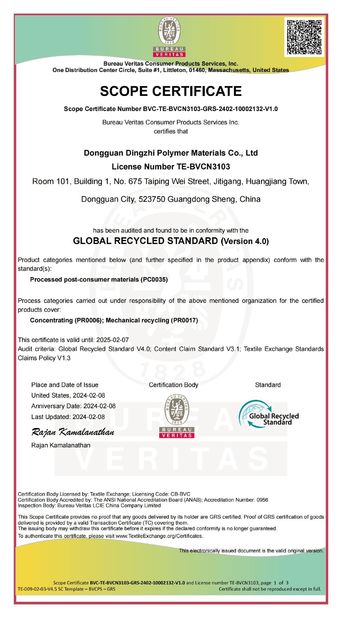
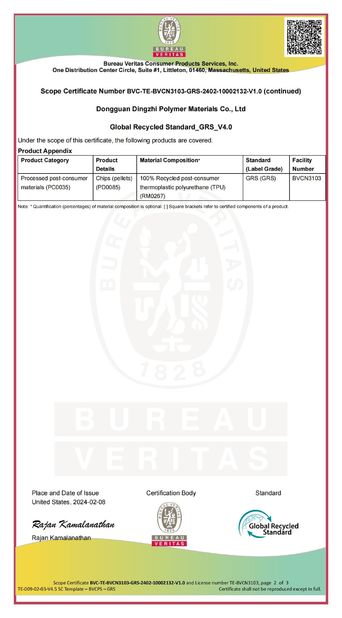
As industrial demands grow increasingly stringent—requiring materials that combine durability, weather resistance, and environmental sustainability—traditional options often fall short. Thermoplastic polyurethane (TPU) has emerged as a groundbreaking solution, offering superior performance while addressing contemporary ecological concerns.
TPU: More Than Plastic, A Versatile Engineering Solution
TPU stands apart from conventional plastics as a sophisticated engineering material that blends rubber-like elasticity with plastic's processability. Its unique molecular structure—comprising alternating hard and soft segments—enables precise tuning of properties like hardness, elasticity, and abrasion resistance to meet specific application requirements.
This adaptability makes TPU suitable for replacing traditional cross-linked elastomers across numerous applications, with the added advantage of recyclability. Available in various forms including films, sheets, and precision-engineered components, TPU comes in two primary formulations:
Polyether TPU: The Outdoor Performer
Polyether-based TPU excels in outdoor applications due to its exceptional hydrolysis resistance and antimicrobial properties. The material's ether linkages demonstrate remarkable water stability, preventing degradation in humid environments. This makes it ideal for:
-
Waterproof outdoor gear and footwear components
-
Submersible cable insulation
-
Medical devices requiring sterilization
Polyester TPU: The Industrial Workhorse
Polyester TPU's oil and grease resistance makes it indispensable for mechanical and automotive applications. Its ester groups repel hydrocarbon-based substances, preventing swelling or softening when exposed to lubricants and fuels. Key applications include:
-
Automotive seals and vibration dampeners
-
Industrial hydraulic components
-
Food processing equipment
Unmatched Material Advantages
TPU's performance characteristics frequently surpass traditional materials:
-
Abrasion Resistance:
Exceeds ultra-high-molecular-weight polyethylene in certain applications
-
Flexural Endurance:
Maintains integrity through repeated bending cycles
-
Temperature Tolerance:
Performs consistently from -40°C to 120°C
-
Dynamic Load Capacity:
Absorbs impacts and vibrations effectively
-
Weather Resistance:
Withstands UV exposure and extreme climates
Customization Capabilities
TPU's versatility extends to customizable properties:
-
Hardness adjustable from Shore 60A to 80D
-
Specialized formulations for hydrolysis resistance or antimicrobial needs
-
Peroxide-resistant variants for medical applications
-
Optional additives for flame retardancy or conductivity
Industry-Wide Applications
TPU's adaptability has led to widespread adoption across sectors:
-
Automotive:
Seals, interior components, and cable insulation
-
Electronics:
Protective cases and cable sheathing
-
Healthcare:
Sterilizable medical tubing and devices
-
Consumer Goods:
Durable sporting equipment and footwear
The Future of TPU
Material scientists anticipate three key development trajectories:
-
Enhanced high-performance variants through nanocomposites
-
Bio-based formulations from renewable feedstocks
-
Smart materials integrating responsive technologies
As industries continue prioritizing sustainability without compromising performance, TPU stands poised to become an increasingly vital material solution for 21st-century manufacturing challenges.


 Ваше сообщение должно содержать от 20 до 3000 символов!
 Russian